
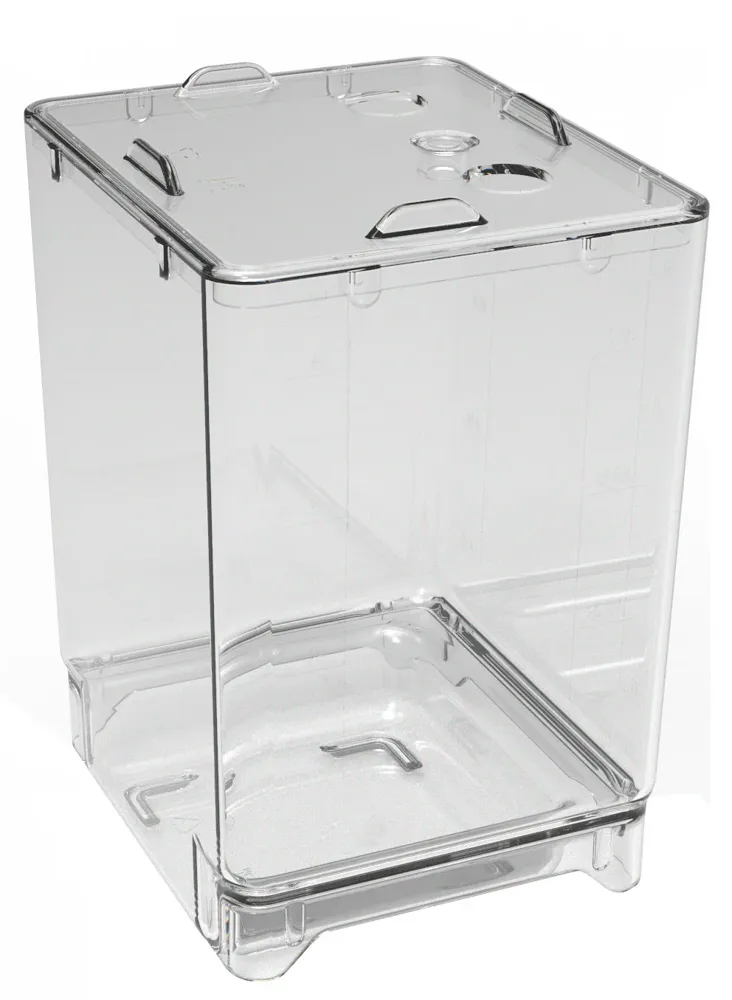
Saro Dairy containers for PAROS
Article no. 325-2179
Price on request
Questions about this product? Ask our team or WhatsApp us.
Product details
Saro milk container for PAROSThe Saro milk containers are intended as suitable accessories for the milk coolers PAROS, KEA and DELOS. They are used for storing and supplying milk within the respective milk cooler and support the use of the equipment as a side-up solution for coffee machines.
The containers are made of transparent tritan. This makes it possible to quickly control the existing milk supply. The stable and yet lightweight design is adapted to the regular use in café, hotel, office, breakfast area, self-service zone and gastronomic service areas.
Depending on the milk cooler model, the milk containers are available in different dimensions and capacity. For PAROS and KEA there is a version with 4.5 liters content available, while the container for DELOS has a capacity of 3.8 liters.
Product advantages
- without milk temperature sensor
Technical data
- Material: Tritan
- without milk temperature sensor
- Weight (net/gross): 0.62 / 0.67 kg
- Dimensions: W 173 x D 150 x H 237 mm
- Content: 4,5 litres
- NO on-site service
Service
No on-site service according to manufacturer
Documents & Downloads
- Technical data sheet (PDF)
Safety & manufacturer's instructions
Manufacturer: Saro Gastro-Products GmbH - Sandbahn 6 - 46446 Emmerich am Rhein - GERMANY / GERMANY - info@saro.de - www.saro.de
EU responsible person: Not required. Manufacturer is located in the EU.
- The milk container is intended exclusively for the storage and supply of milk in the saro milk cooler provided for that purpose. Any other use or further use is considered not to be intended.
- Use the milk container only with the intended milk cooler model PAROS, KEA or DELOS. Make sure that the container is correctly assigned to the respective device.
- Before each use, check the milk container for cracks, deformations, sharp edges or other visible damage. Damaged containers must not be reused.
- Clean the milk container thoroughly before first use and after each emptying. Milk residues can lead to hygienic impairments, odour formation and germ growth.
- Use warm water, a mild detergent suitable for food areas and a soft cloth or a soft sponge for cleaning.
- Do not use scrubbing detergents, steel wool, sharp-edged cleaning aids or aggressive chemicals. These can damage the surface.
- Rinse the container thoroughly with clear water after cleaning, so that no detergent residues remain.
- Allow the milk container to be completely dry before refilling. Store it clean, dry and open, or without fixed lids, for prolonged non-use.
- Please note the operational hygiene specifications as well as the manufacturer's information on the storage time and temperature of the milk used.
- Store the filled milk container exclusively in the milk cooler on and working properly. The container itself has no cooling function.
- Remove the container if the milk cooler is disturbed or malfunctioned and check whether the milk can be reused according to the applicable hygiene requirements.
- Do not expose the milk container to open flames, hot surfaces, direct sunlight or other strong heat sources.
- The container must not be used in an oven or microwave.
- Do not use pinch, spatula or other sharp-edged objects in the container. These can damage the surface.
- Do not drop the milk container and do not expose it to strong shocks or mechanical stresses.
- Transport a filled container carefully and as upright as possible. Hold it securely and make sure that the lid is completely closed.
- Children and unauthorised persons shall not use or play with the milk container unattended.
- Packaging materials must be kept away from children and disposed of properly. There is a risk of suffocation, especially in the case of foils and plastic bags.
- When using a milk temperature sensor, the sensor in the bottom of the container must not be damaged, removed, drilled or modified.
- Tanks with a milk temperature sensor must not be hit on hard surfaces or set off incorrectly. Damages on the bottom of the tank can affect the function of the sensor.
- Do not make any changes, drilling or repairs to the milk container, lid, connections or temperature sensor.
- In case of visible damage, leaks, unusual odors, permanent discoloration or malfunctions, the milk container must not be used again.
More from Saro
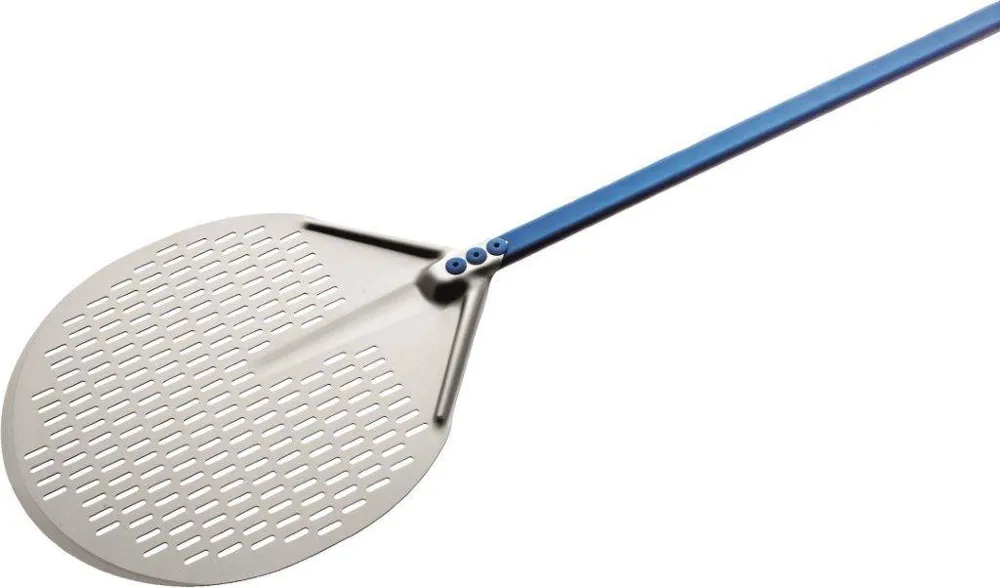 Pizza shovel model PR-300 aluminium round D= 330 mm, L= 1840 mm
Price on request
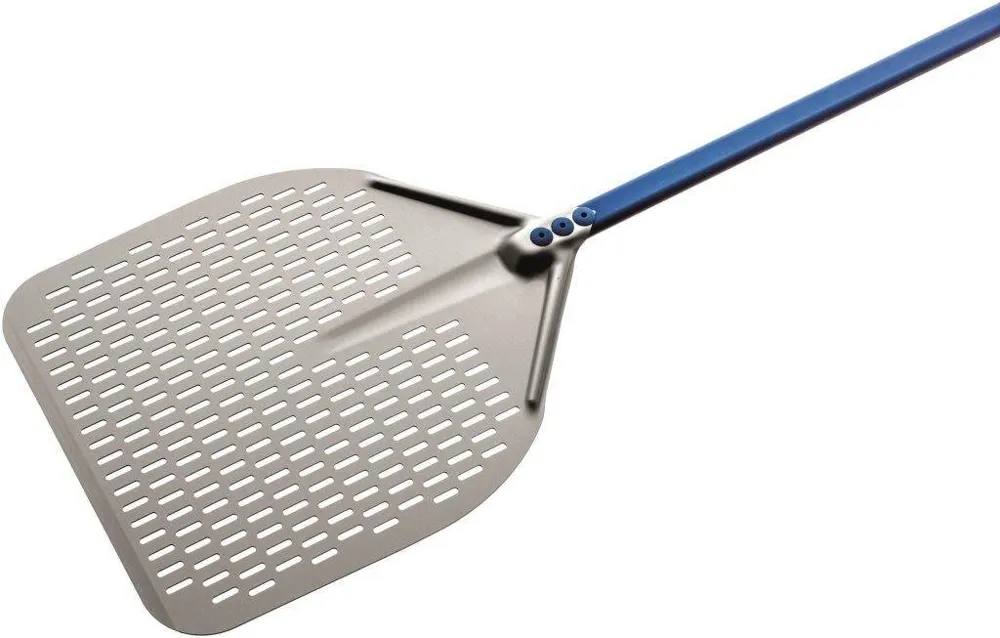 Pizza shovel model PRE-300 Alu rectangle 330x330x1840 mm
Price on request
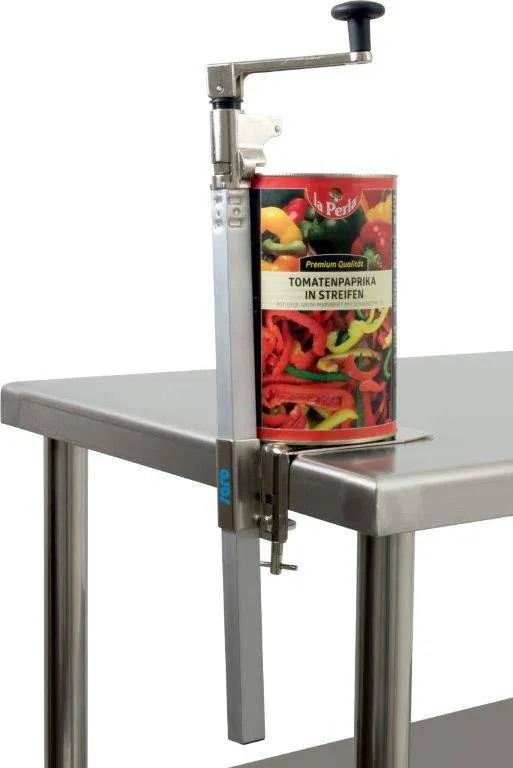 Industrial can opener model CARRA 180x70x660 mm 4kg
Price on request
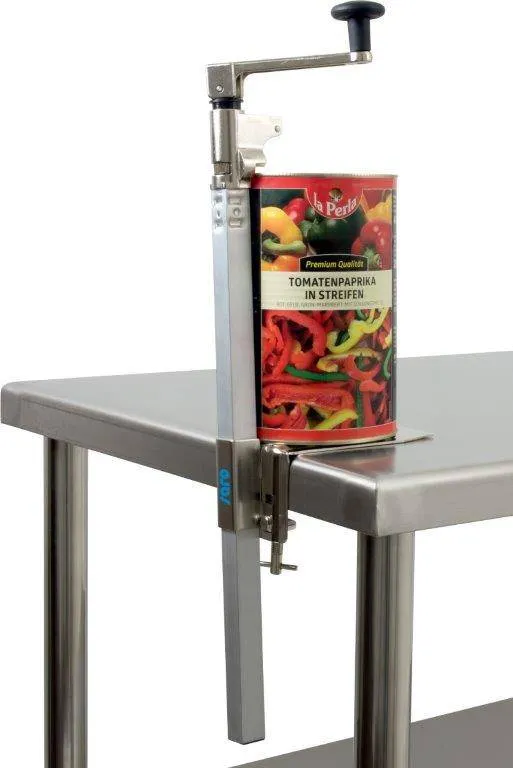 Industrial can opener model HESSY 180x70x660 mm 3.7kg
Price on request
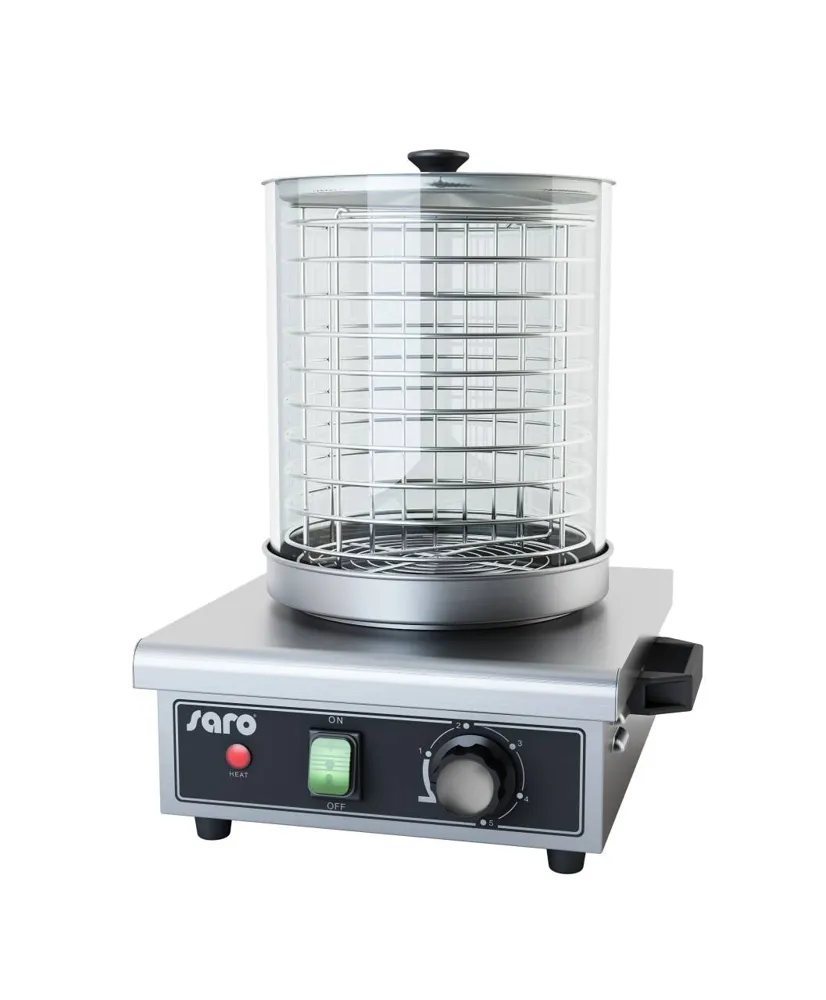 Hot-dog maker model HW1 250x280x410 mm
Price on request
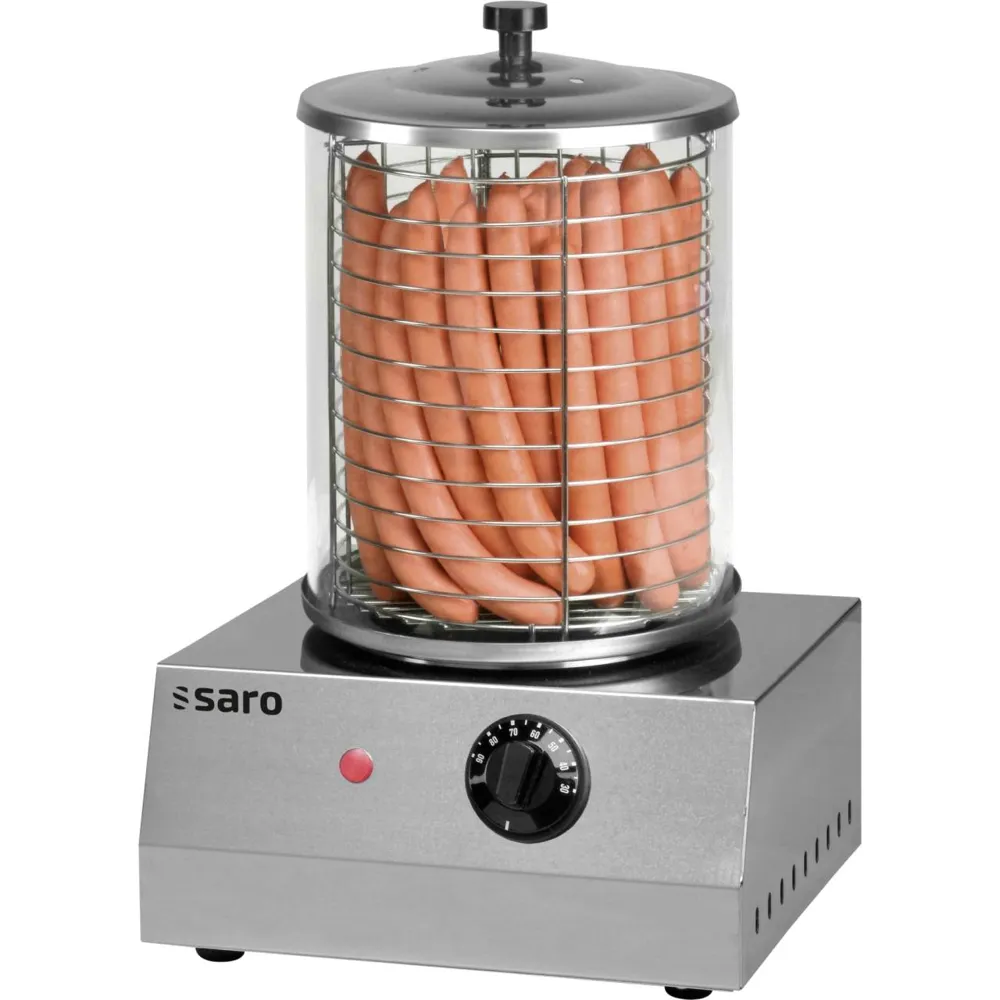 Hot dog maker model CS-100 280x260x420 mm
Price on request
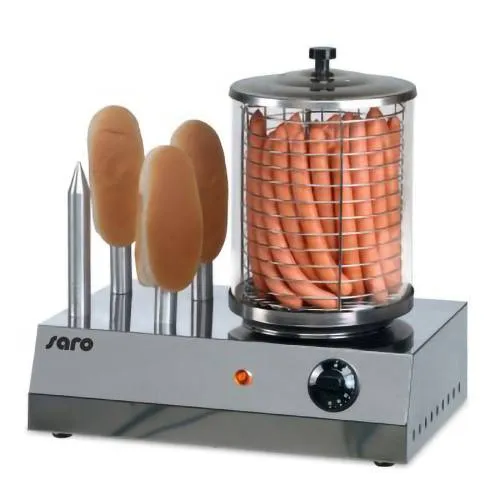 Hot Dog Maker model CS-400 400x260x420 mm 4 toast rods
Price on request
 LYRIA stainless steel 260x320x260 mm, incl. rust
Price on request